
What happens when you design as if life matters
Triple bottom line by design. The most important thing we can optimize for is care.

I was recently introduced to a Stripe Sessions interview with Jony Ives where he spoke about "the sacred responsibility of making things for other human beings" and literally used the word "spirituality" to describe his design process. Instead of talking about product growth measurements, Jony Ives talked about measuring success with joy, gratitude, and love.

His revelation to design being a spiritual practice came to be when he was obsessing over how a cable unwraps from packaging:
"I had this incredibly clear awareness that the way I designed that little tab to hold the cable would be experienced by millions of people... when somebody unwraps that box and takes out that cable, and they think, 'Somebody gave a shit about me,' I think that's a spiritual thing. And even though it was a small thing, it really did come—genuinely—from a place of love."
The Triple Bottom Line Revolution
This philosophy aligns with what I’m learning in my Design Management Masters program at Pratt Institute: Triple Bottom Line by Design + Culture (TBLD+C)—where success isn't just profit, but people, planet, prosperity, and culture working together.
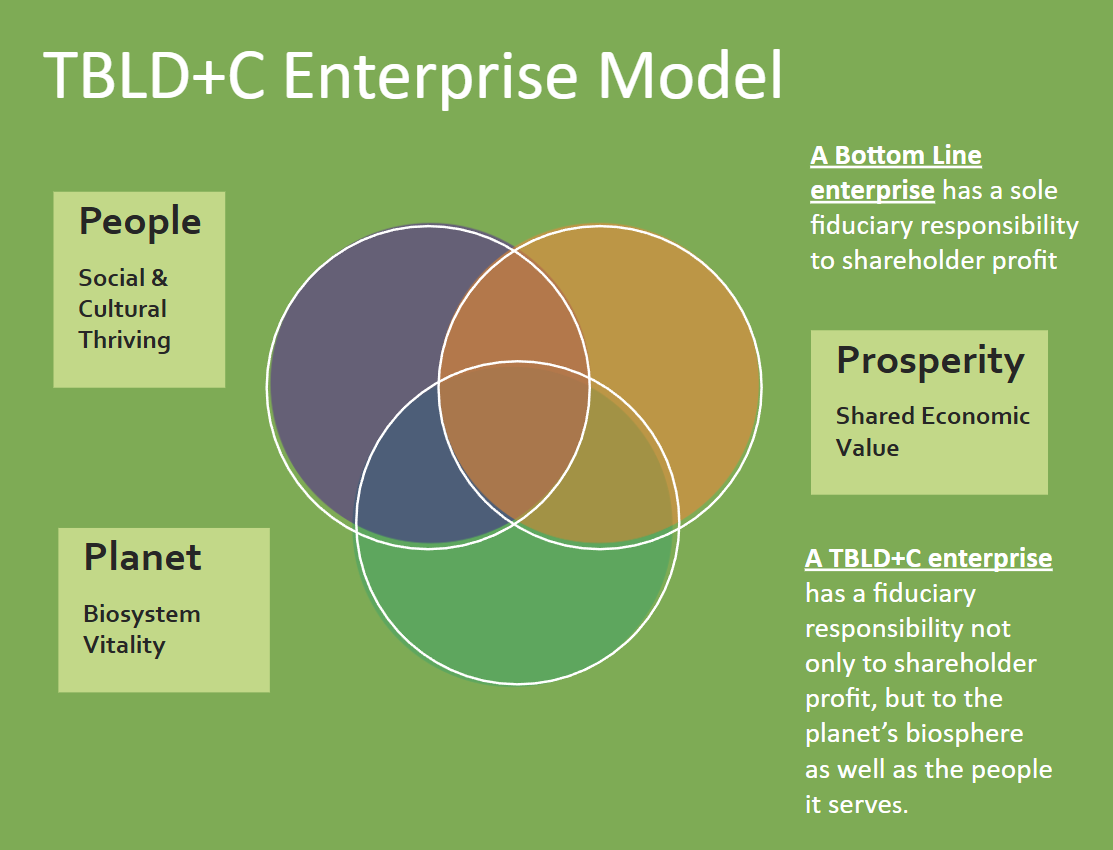
Here's how Ives embodies TBLD+C:
People: Designing for people has the power to transform a mundane design problem into something sacred. That cable tab becomes a moment where a designer in Cupertino cares for a stranger they'll never meet. And this is the importance of human-centered design thinking. It’s about diversity, inclusivity, accessibility, and care – creating a moment of human connection across time and space.
Planet: Following Steve Jobs' wisdom, Ives views design as "expressing our gratitude to the species." True gratitude must include the planet that makes human flourishing possible. He points to Quaker companies like Cadbury's that didn't just make chocolate, but designed entire towns for workers, seeing the whole human community. It’s about turning profit driven ideas into something greater, co-creating environments that prioritize community well-being and social equity.
Prosperity: In a capitalist world driven by profit, values become currency. As Ives notes: "what we make stands testament to who we are." The question becomes: are you designing products aligned with your beliefs, or against them?
Culture: In a society consumed by anxiety and "moving fast and breaking things," Ives advocates for joy and hope. "If I'm consumed with anxiety, that's how the work will end up." The designer's inner state becomes the user's experience, and when a culture priortizes care, the products will feel, caring.
The Sacred in the Everyday
Ives's most radical insight? The spiritual dimension of design isn't about creating obviously spiritual products. It's about bringing spiritual consciousness to whatever you're making.
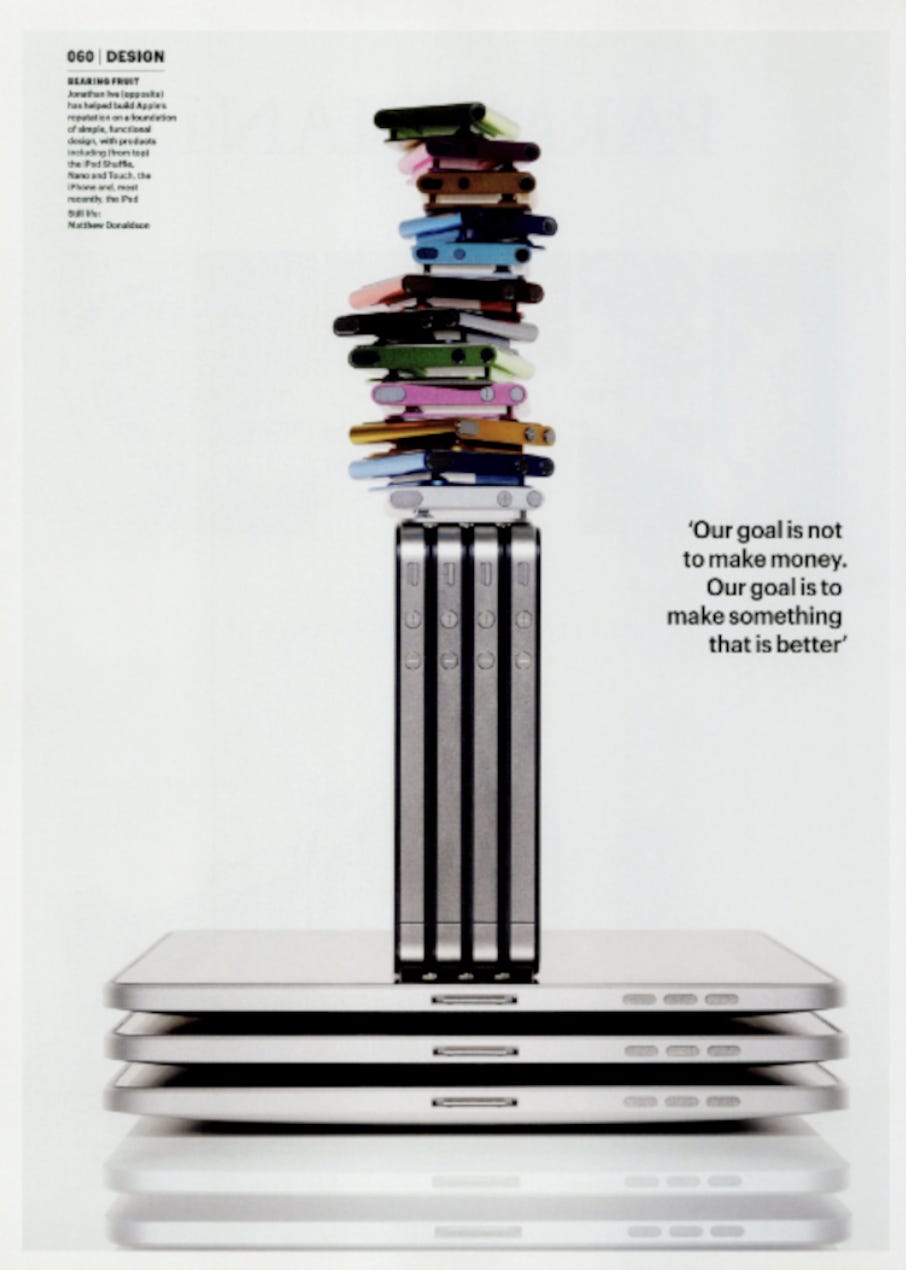
"We spend a lot of time working. And so if we elect to spend our time working and not caring about other people, I think not only do other people suffer, I think we suffer. I think that's a corrosive existence."
Scaling care
In an industry obsessed with optimization, Ives reminds us: the most important thing we can optimize for is care. Not as sentiment, but as a practical design principle creating better products, stronger teams, and more humane technology.
As Ives joins OpenAI's team, I hope he will bring the same level of care to AI's broader impact. The demand for data centers is exploding—expected to surpass $1 trillion in U.S. investment over five years. But what about its neighbors? Residents living next to these facilities face constant noise, pollution, and skyrocketing electricity bills.
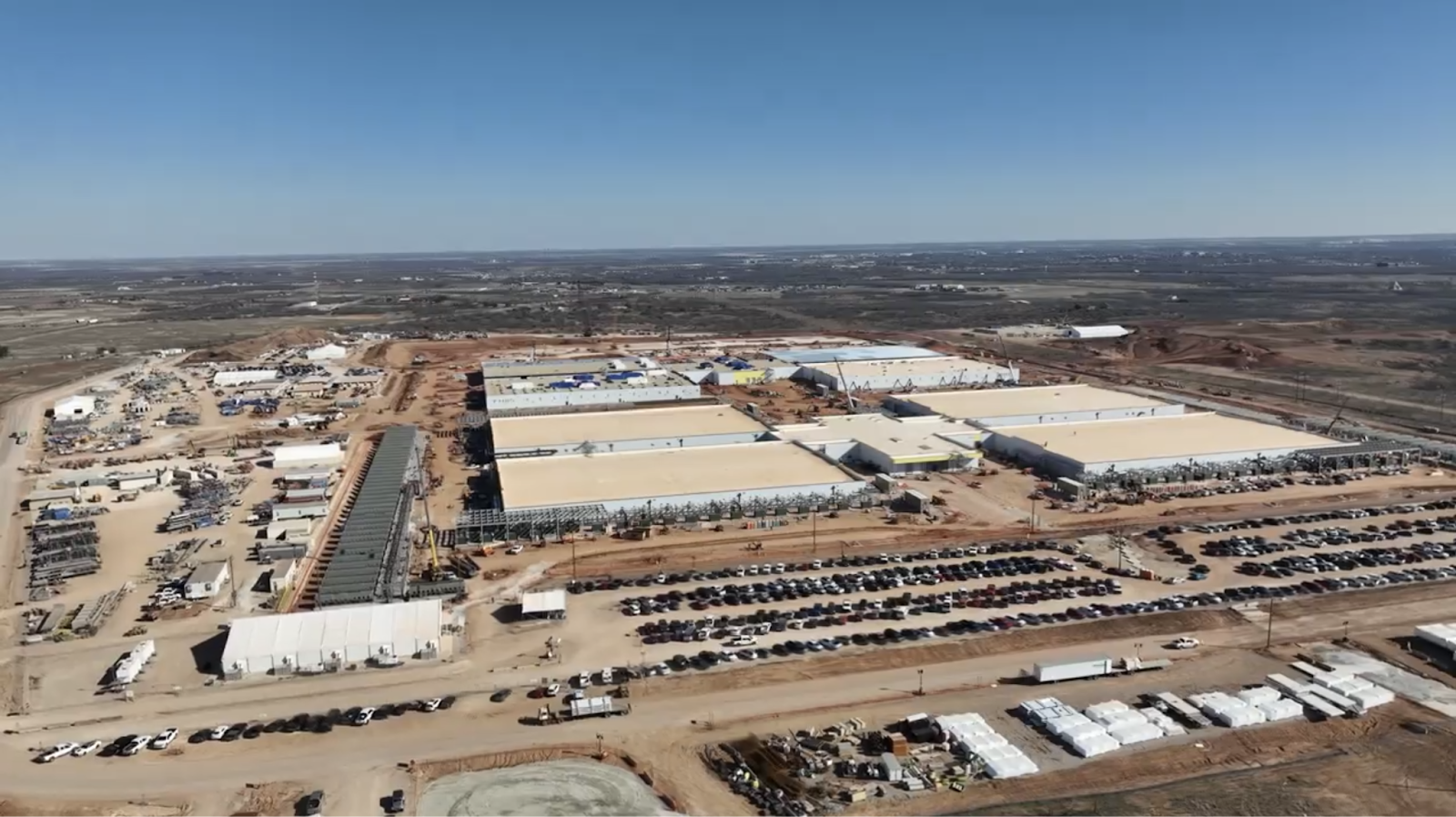
In the VUCA world we live in, I hope that the same love Ives put into designing a cable tab for millions will extend to the families displaced by AI infrastructure, and its impact on our sustainability systems. All it takes is for someone of influence to ask, what if?
That's true TBLD+C—putting people at the core of everything we do.
You can watch Jony Ives's Stripe Sessions talk here: A conversation with Jony Ive
To dive deeper into TBLD+C, check out " Leading As If Life Matters: An Invitation to Attend a Future of Our Own Making " by Mary McBride, Maren Maier, and Xue Bai.
To learn more about the human cost of AI infrastructure, consider watching this video I Live 400 Yards From Mark Zuckerberg’s Massive Data Center
“The designer's inner state becomes the user's experience, and when a culture priortizes care, the products will feel, caring” 🥹🥹