
Designed to Wonder: Exploring Rebel Optimism with Matt Owens
What if optimism was a strategy, instead of just a feeling?

Welcome to Designed to Wonder—a new mini-series from Studio of Wonder where I sit down with creative leaders to explore how spirituality and creativity shape their work and lives.
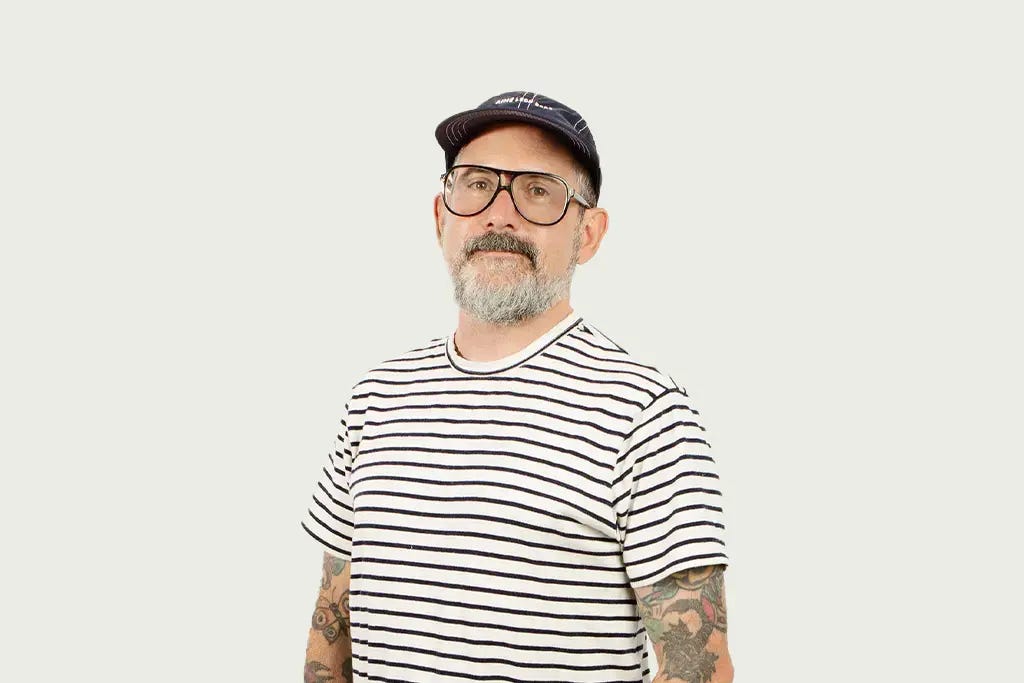
Our first conversation is with Matt Owens, Co-Founder and Chief Design and Innovation Officer at Athletics, a Brooklyn-based brand studio. I first met Matt during a New York Design Week panel, where his mention of "rebel optimism" lingered long after I left the venue. That phrase—and the philosophy behind it—sparked the curiosity that led to this conversation.
The Philosophy of Rebel Optimism
So what exactly is rebel optimism? When I sat down with Matt to explore this concept, his definition struck me as both practical and philosophical:
"Rebel optimism is going to be the blanket perspective that's going to get you through any challenges. You have to look for the silver lining and do your best—that's the optimism part. And rebel optimism is like, don't do it halfway. Do it despite the things you're hearing and seeing. Don't let those things be a blocker to what you're trying to achieve."
This isn't about blind positivity or forcing good vibes. It's a grounded philosophy for navigating chaos—a strategic approach to turning uncertainty into creative fuel rather than creative paralysis.
Matt situates this mindset within our current moment—AI transformation, socioeconomic tension, rapid technological change. As we navigate all this, Matt sees rebel optimism as essential: "We're in the midst of complete change, and it's like that growth mindset in uncertainty—that's the only way to build off of this and come out the other side less wounded and less discouraged."
I couldn’t resist asking the question on everyone’s mind—what does Matt think about AI? Instead of seeing it as a threat, he views it as an opportunity: "If all the technology infrastructure is more easily automated, then your creativity and taste will come to the fore. Taste is going to be the new metric." He calls this shift "vibe coding"—where human creativity becomes the differentiating factor in an automated world.
When Optimism Meets Reality
One of the most insightful moments came when I asked about the tension between optimism and realism—those moments when you're faced with rigid corporate rules, political team dynamics, or stubborn clients.
Matt reframes the entire dichotomy: "I think realism is the water within which all optimism flows. Rebel optimism and pragmatism and reality live side by side."
One of the most practical applications of rebel optimism is how it protects against creative burnout. The frustration and tension between creative and business worlds is very real. But instead of letting that tension erode optimism, Matt sees it as a chance to build resilience. He frames rebel optimism as a bridge: “The best way to lead in those situations is to be like, OK, this is the challenge and uncertainty that I'm faced with now. How can I stay optimistic and rooted in my creativity, but work with this new challenge to keep it going further?” It’s a mindset rooted in anti-fragility—growing stronger not in spite of stress, but because of it. “It’s not about butting your head against the challenge,” he adds. “It’s like, how do we take this challenge and become stronger due to that challenge?”
The Practice of Wonder
In the spirit of Studio of Wonder, I asked Matt about what the word wonder means to him—and his response revealed a deeper philosophy behind his approach: "Every day is an opportunity to put yourself in the way. If you want to meet somebody that's awesome, go to them. If you want to be part of a scene, go live there."
To me, this practice of actively seeking transformative moments connects to what I think of as active wondering—not just daydreaming, but taking concrete steps toward the unknown. This ties closely to how manifestations actually become reality. It’s not about simply wishing for something and hoping it appears. True manifestation is about setting a clear vision and goal—and then, often without realizing it, taking small, consistent steps that move you closer until that vision becomes real.
"I meet people today who remember creative work I did when I was 25, 26, 27—work I had no idea what I was doing—and they're like, 'That work changed my life.' That is wonder to me. I don't know how that happened. It was right place, right time. But you have to put yourself in the right circumstances to bring about the things you want."
As we talked more, Matt opened up about how his identity as a creative has evolved—and how that evolution has deepened his relationship with wonder. “I consider myself a designer through and through, maybe to a fault,” he said, laughing. “It becomes your whole identity, and that pressure can start to weigh on you—especially when you feel like the weight of a business or creative output is all on your shoulders.”
He described it as a kind of hero’s journey, comparing it to rolling the boulder up the hill like Sisyphus. But instead of succumbing to burnout, Matt said the real turning point came when he realized the journey itself held the wonder: “You go through all of it, and then you realize those old clichés are true. It’s not the destination. It’s the journey. You look back and think—those were the moments that shaped me.”
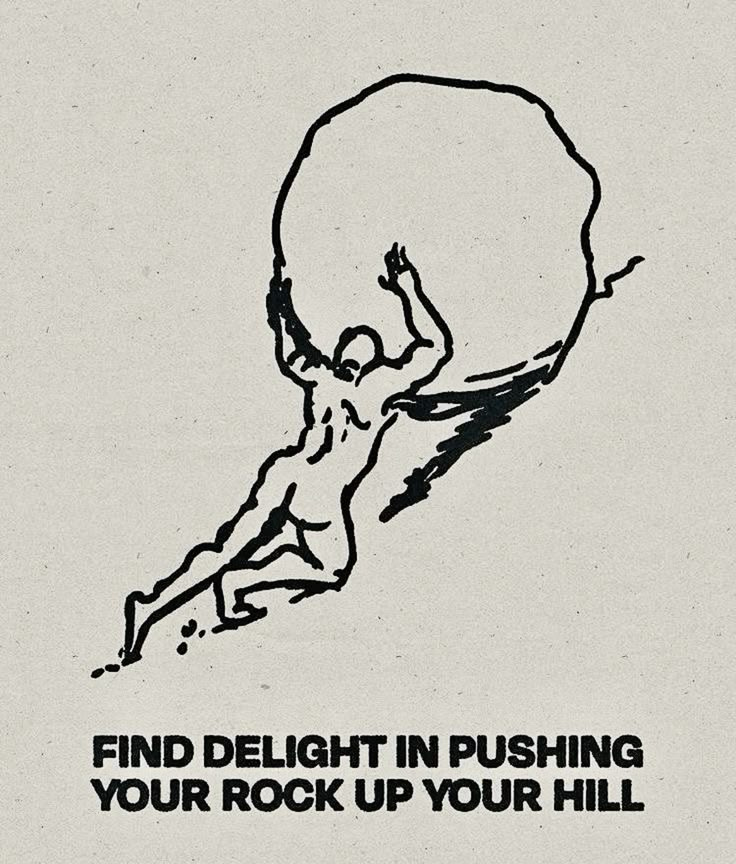
To Matt, spirituality and wonder live in those moments of decision: the ones where you deliberately show up, commit, and stay curious about what comes next. “It’s not about head-in-the-clouds thinking. It’s about the incremental work it takes to believe—in your creativity, in the process, in what’s possible.”
The Death of Impostor Syndrome
Closing our conversation, I asked Matt for his most important advice to young creatives. His response was immediate: "Impostor syndrome doesn't exist."
His reasoning: "It exists in everyone all the time. It's the air we breathe. But because it's shared amongst everyone, it doesn't exist."
Perhaps this insight crystallized during his first job in New York—a pressure cooker startup where he spent just two years learning how a small business operated. Most aspiring entrepreneurs think they need decades of experience, but Matt discovered something different: "I was central to a small team. We went from 7 to 40 people in that time, and I was able to understand how proposals were written, pitch work, talk about the work.”
That experience demystified business leadership entirely: "When I decided to go on my own, I was no longer afraid because I knew the entire mechanism of how a small business ran. It was that first pressure cooker job that set the stage for independent mindset, entrepreneurial practice, all that good stuff."
The revelation also came from watching his 24-year-old boss—"a total kid who looked kind of like a grown up, but was actually not qualified to be saying these things and doing these things, but that did not stop us from actually delivering on our dreams."
"Everyone dreams, but very few people act on those dreams in a way that makes them achievable—by breaking them down into the smallest possible parts, lifting one pebble at a time until they’ve built a mountain."
Embracing the Unknown
As we live in a world that can often feel overwhelming, Matt reminds us that rebel optimism offers a practical philosophy for using uncertainty as fuel for creative growth. As Matt puts it: "The more you can lean into rebel optimism in a positive way, the more your life will be richer and your life story will be richer."
I invite you to practice rebel optimism in your everyday life. You might begin to see that optimism isn’t just a feeling—but a strategic way to turn what feels like a mountain of pebbles, into a mountain of wonder.
Matt Owens is Co-Founder and Chief Design and Innovation Officer at Athletics, a brand studio in Brooklyn, as well as the author of "A Visible Distance: Craft, Creativity, and the Business of Design". For more content on Matt Owens, give him a follow through Matt’s substack or check out his book here.
I just realised instead of telling people that I am a non-conformist, I can tell them that I am a Optimistic Rebel. Thank you for sharing!
“turning uncertainty into creative fuel rather than creative paralysis.” 👏🏻👏🏻